In the era of streaming playlists and algorithmic recommendations, it’s easy to wonder if there’s still a place for college radio. After all, you can cue up any artist, any genre, any time with just a few taps on your phone. So what’s the point of tuning in to a student-run station like Radio 1190?
The answer isn’t about nostalgia. It’s about something deeper that streaming can’t replicate — human curation, community connection, and cultural experimentation. College radio is still here for a reason. In fact, it might be more relevant than ever.
Streaming gives you convenience but not connection
Streaming services are fast and convenient. But at the end of the day, they’re built on algorithms, not people. They feed you what you already like, or what’s been statistically proven to keep you listening. That means less surprise, less risk, and fewer chances to hear something truly weird, moving, or unexpected.
College radio, on the other hand, is unpredictable in the best way. You might stumble across a jazz set in the middle of the afternoon, an interview with a local activist, or a deep dive into niche electronic music at midnight. It’s that lack of polish and formula that makes it interesting. You don’t just hear music – you hear curiosity, energy, and personality.
Listeners don’t tune in just for the songs. They tune in because they know someone is on the other side, thinking about what to play and how to say something real.
A space for voices that don’t always get heard
College radio has always made room for voices and ideas that get ignored by bigger platforms. Whether it’s local bands, underground artists, or topics that mainstream media won’t touch, student-run stations create space for things that matter but don’t trend.
That includes diverse genres, languages, and perspectives. College radio doesn’t have to chase ratings, so it can afford to be bold. It can cover protests, poetry, punk, and public policy all in the same week. And because it’s local, it can respond directly to what’s happening in the community.
In a world where so much media feels filtered and corporate, college radio is one of the few places where people still speak freely – without a script, and without having to please advertisers.
It’s where students learn by actually doing
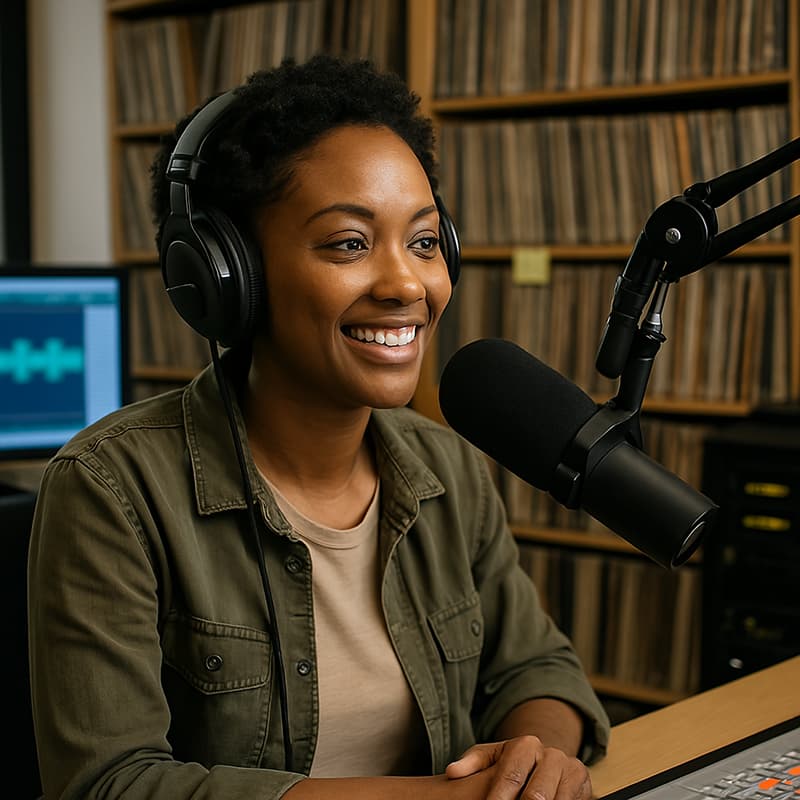
For the people behind the mic, college radio is a crash course in communication, culture, and creativity. You don’t just study media – you make it. From hosting shows and managing playlists to editing interviews and running the board, student DJs learn on the fly.
Mistakes happen. Voices crack. Songs get cut off. But that’s part of it. It’s not supposed to be perfect – it’s supposed to be real. You learn how to think on your feet, work with others, and show up week after week even when no one’s watching. That’s not just about radio – that’s about life.
And for many, college radio is a first step into a larger world. Some go on to work in media, music, journalism, or public affairs. Others just carry the experience with them – a reminder that you can make something meaningful with your voice, your mind, and a little bit of airwave space.
Local scenes need local sound
College radio doesn’t just serve the campus. It serves the city. Stations like Radio 1190 play a crucial role in connecting students with the surrounding community – and in amplifying what’s happening locally.
That includes music scenes, art shows, grassroots politics, and cultural moments that might otherwise fly under the radar. A student-run station can highlight a garage band from down the street or put a local organizer on air to talk about housing issues. That kind of visibility matters.
When you hear your city reflected on the radio, it builds a sense of place. It reminds people that culture isn’t just something that happens in big cities or on TV – it’s something we make together, right here, right now.
Radio is still magic
There’s something strangely powerful about radio. Even with all the podcasts, playlists, and social media feeds out there, radio still hits different. Maybe it’s the fact that it’s live — that anything could happen. Or maybe it’s the simplicity of it. You just turn it on, and someone’s there, talking, playing music, holding space.
In a world where everything is on demand, radio reminds us what it’s like to just listen. To hear a song you weren’t expecting. To catch a voice that feels familiar even if you’ve never met the person behind it. It’s quiet, it’s human, and it doesn’t ask for your clicks or your money.
That kind of intimacy is rare. And it’s worth protecting.
Conclusion
College radio might not be the loudest thing in the media world, but it still matters. It’s messy and honest and full of life – and that’s exactly why people keep coming back to it.
In the noise of algorithms and endless content, college radio offers something rare: a space to listen, speak, explore, and connect. Whether you’re behind the mic or tuning in on your way home, you’re part of something bigger than just a playlist.